Land Registry Rule Update : In a historic move, the Indian government has officially scrapped a 117-year-old land registration regulation, ushering in a new era of transparency and efficiency in property transactions. This century-old law, which had governed land registration since the colonial era, was long considered outdated, cumbersome, and ill-suited to the fast-paced demands of modern real estate and urban development. For decades, buyers and sellers alike struggled with excessive paperwork, bureaucratic delays, and confusion over verification processes, often resulting in disputes and legal complications. The new rules aim to modernize the entire property registration system, making it more user-friendly, digital-first, and aligned with contemporary needs, while also providing stronger safeguards against fraud. This reform is a major milestone that is expected to benefit not just individual property owners but also developers, investors, and the real estate sector at large, paving the way for faster and more secure transactions
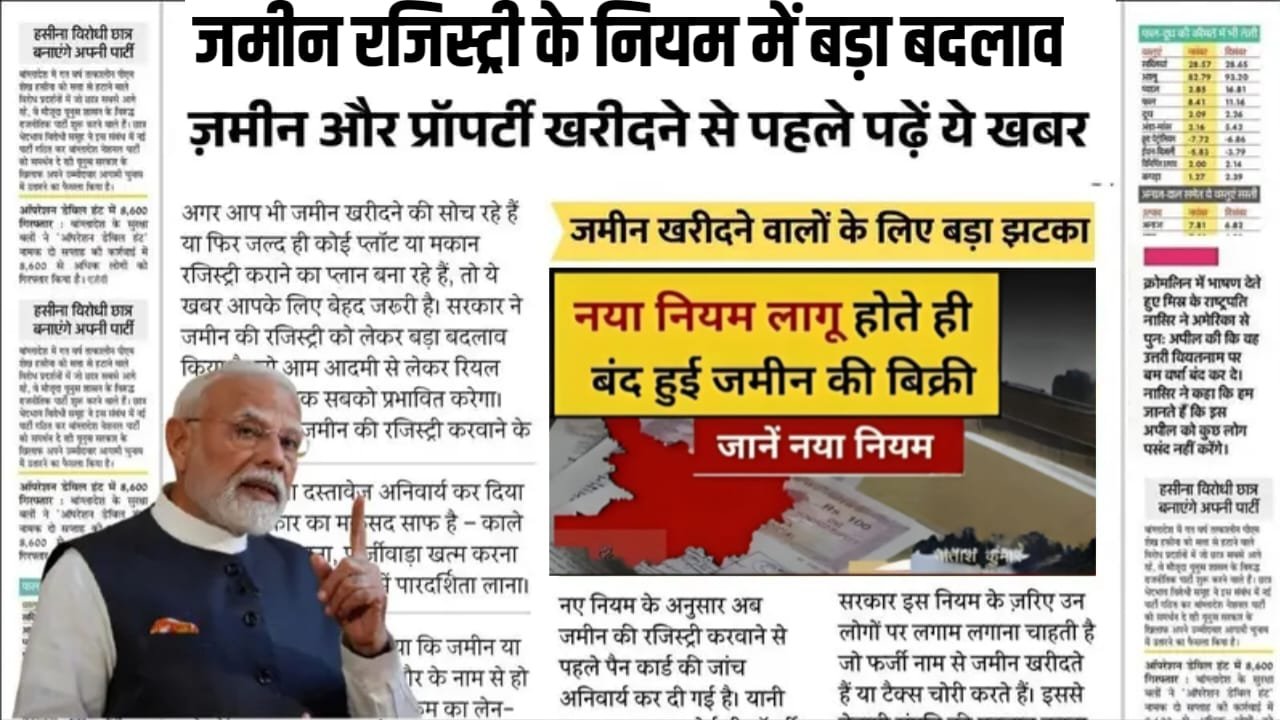
Why the 117-Year-Old Rule Was Replaced
The previous regulation, which had remained largely unchanged for over a century, was originally drafted at a time when land ownership, administrative processes, and record-keeping were fundamentally different from today. Over the years, the archaic law increasingly became a barrier rather than a facilitator for property transactions, resulting in delays, confusion, and repeated visits to government offices. Modern real estate practices, technological advancements, and the growing complexity of property transactions highlighted the urgent need for reform. The government recognized that continuing with the old framework not only slowed down property dealings but also increased the risk of fraud and disputes. By replacing the 117-year-old regulation with updated rules, the authorities are aiming to create a more streamlined, transparent, and efficient registration system, which will greatly simplify the process for buyers, sellers, and stakeholders alike, while aligning with India’s digital governance initiati
Key Features of the New Land Registration Rules
The new land registration rules introduce a host of modern features designed to simplify, accelerate, and secure property registration across India. First, a digital registration system will allow buyers and sellers to complete most of the registration process online, significantly reducing paperwork and in-person visits. Second, the documentation requirements have been simplified and standardized, making it easier to submit the necessary proofs without unnecessary delays. Third, enhanced verification mechanisms and centralized databases will minimize the risk of fraudulent transactions, giving confidence to both parties. Fourth, the processing time for approvals is expected to be drastically reduced, allowing property transfers to be completed faster than ever before. Finally, the new rules aim to standardize procedures across states, reducing inconsistencies and confusion in property dealings. Together, these changes mark a significant step toward a more efficient, secure, and citizen-friendly land registr
Impact on Property Buyers and Sellers
For individual property buyers and sellers, these changes bring a sea of benefits, primarily in terms of convenience, speed, and security. Buyers can now complete registrations without facing the old bureaucratic hurdles, saving both time and money, while sellers can transfer ownership with greater certainty and transparency. The digital-first approach reduces the need for physical visits and long queues, making the process more accessible for citizens in both urban and rural areas. The enhanced verification systems also ensure that all transactions are legally secure, thereby reducing the chances of disputes or fraudulent transfers. In essence, the new rules are designed to instill confidence among citizens, encouraging a smoother property market and creating a more trustworthy system for land ownership transfers.
Implications for Real Estate Developers and Investors
Real estate developers and investors are expected to benefit immensely from this reform. The faster approvals, digital tracking, and standardized documentation will help accelerate project timelines, reduce bureaucratic bottlenecks, and ensure legal clarity in land acquisitions. Investors will find it easier to verify property titles, complete transactions efficiently, and invest with confidence. The simplified system is likely to boost activity in both residential and commercial real estate markets, attract more investments, and reduce litigation over property disputes. Overall, these reforms make property dealings more efficient, transparent, and secure, providing a conducive environment for long-term growth in India’s real estate sector.
Final Thoughts
The repeal of the 117-year-old land registration regulation and the introduction of modernized property registration rules mark a turning point in India’s real estate governance. By making the process digital, streamlined, and citizen-friendly, the government has addressed the longstanding challenges of bureaucracy, delays, and fraud. Buyers, sellers, investors, and developers all stand to benefit from faster approvals, simplified documentation, and secure verification processes. This historic reform is a step toward building a transparent, efficient, and modern property registration system, one that aligns with India’s vision of digital governance and urban development. The new rules not only simplify transactions but also provide confidence, security, and ease of ownership, paving the way for a more robust and trustworthy property market across the country.